ElkHorn Solutions
The Antler MethodFour stages, one rack

The Antler Method

An antler is grown, carried, cast and grown heavier again. Every year, on schedule. That is how we run an engagement: Scout, Beam, Velvet, Cast.

Scout · Beam · Velvet · Cast

01

Late winter

Scout

Audit & consultation

Before a single tool is built, we walk your ground. We sit with the people doing the work, follow the paper trail, and find where the week actually leaks. Elk read the terrain before they cross it; so do we.

01 Scout

What we do

  • Interviews with the people in the process
  • A walk-through of your real tools and handoffs
  • A ranked shed list and growth list

What you bring

  • Two or three hours of your team's time
  • Access to see how the work is truly done

A costed plan you own, whether or not we build it.
02

Spring

Beam

The plan

An antler grows fast because it is fed hard and protected while soft. We build one narrow thing first, put it in front of real work, and let it harden through use instead of through argument.

02 Beam

What we do

  • One process built and live with real work
  • Weekly working sessions, not status decks
  • Measurement wired in from day one

What you bring

  • One owner on your side
  • Honest reactions from the people using it

A working system handling real volume, with before-and-after numbers.

03

Late season

Velvet

Implementation

Once the antler hardens, the velvet that fed it is rubbed away, sometimes within a day. The hardest part of most engagements is not building, it's agreeing to let go of the step, the report, or the tool that no longer earns its keep.

03 Velvet

What we do

  • An audit of what the new system made obsolete
  • Retirement plan for tools, steps and duplicate entry
  • Documentation so nothing walks out the door with one person

What you bring

  • Permission to retire the old way
  • A decision on what stays for good reason

A lighter operation, fewer steps, fewer systems, less to maintain.

04

New season

Cast

Review

Each rack comes back bigger than the last because the animal survived the winter and learned the country. We take what proved out and extend it to the next process, the next team, the next site.

04 Cast

What we do

  • Extend the pattern to the next workflow
  • Train your team to run and change it
  • A standing check-in each season

What you bring

  • An appetite for the next thing to grow

Compounding capability instead of a one-off project.

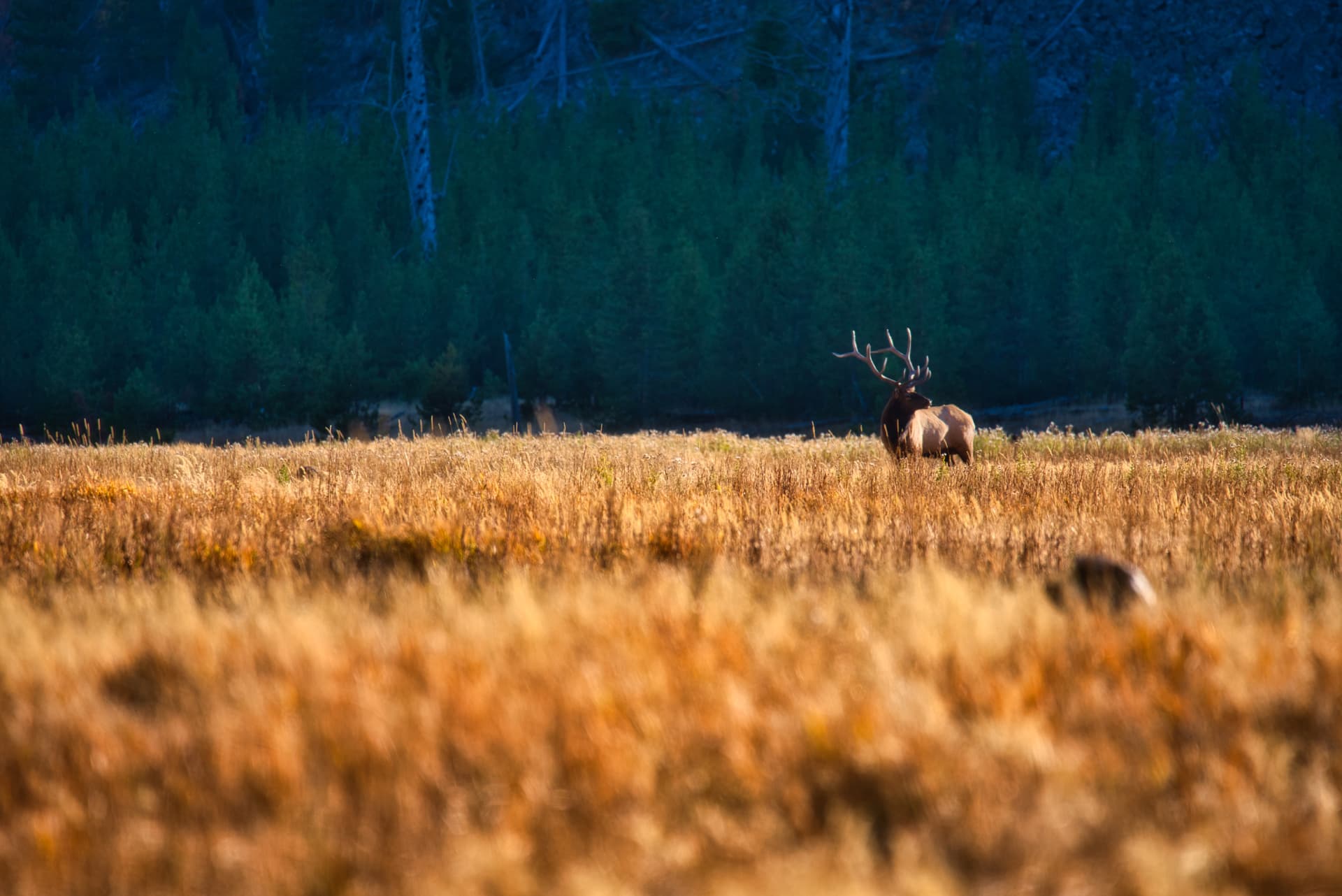
A bull elk holding at the timber edge during the fall rut

Reading the ground

A bull reads the terrain before he crosses it. So do we, the survey comes before the build.

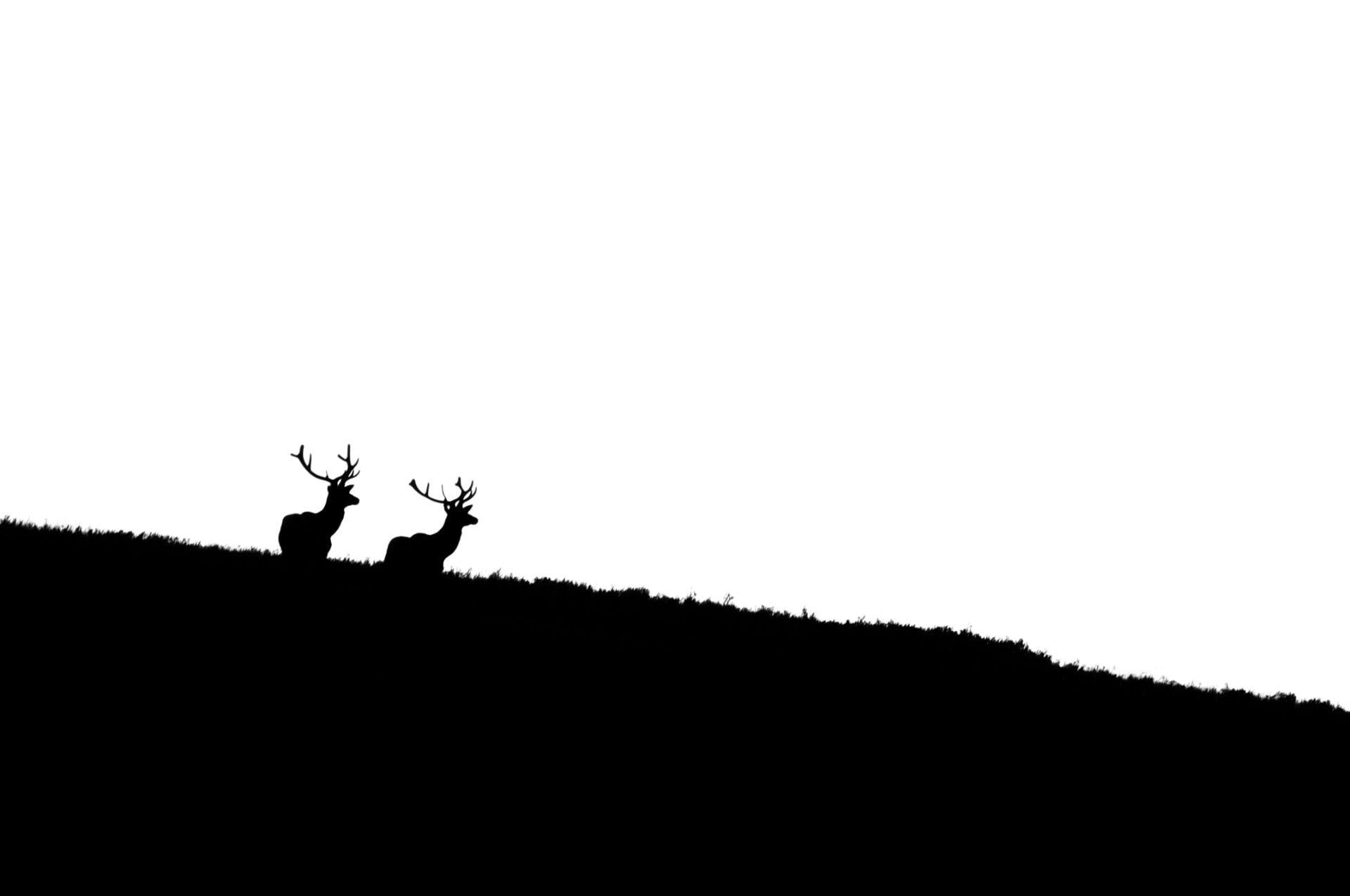
Two bull elk silhouetted on a grass ridge against a pale sky

Two bulls, one ridge

No bull holds the ridge alone. Neither do we.

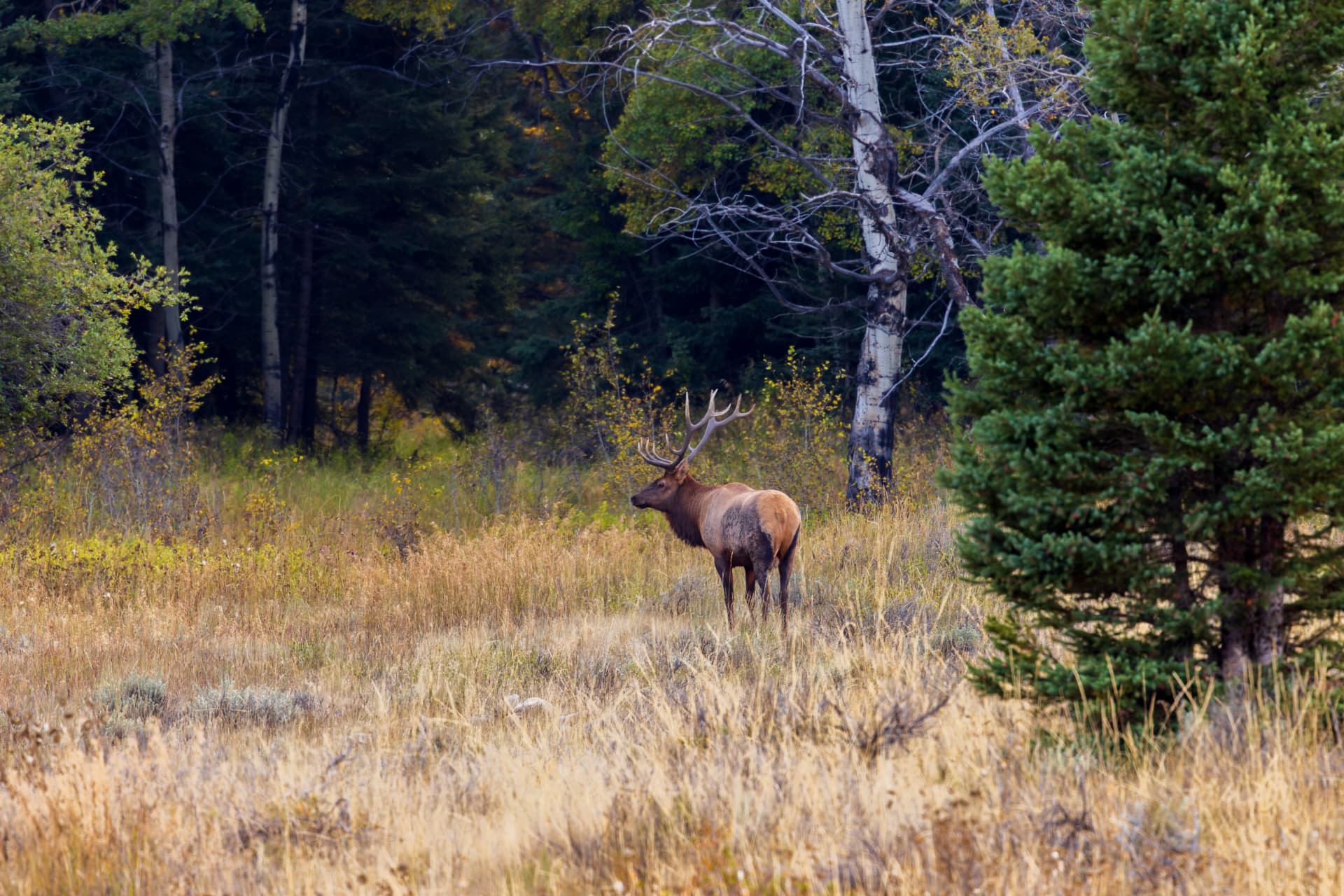
A mature bull elk standing at the edge of a meadow

The mature rack

Grow. Shed. Regrow heavier. Same cycle, every season.

How we hold the line

Rules of the range

Stronger by numbers

A herd reads the range with many sets of eyes. You get four founders in the room, not one account manager relaying messages.

Seasoned by winters

We plan for the hard month, not the demo. Anything we build has to survive your busiest, ugliest week.

Proof before scale

One process proven with real numbers before anything gets rolled out company-wide.

Built to hand over

Your team can run, change and explain it without us. No lock-in, no dependency by design.

Start with a Scout Session

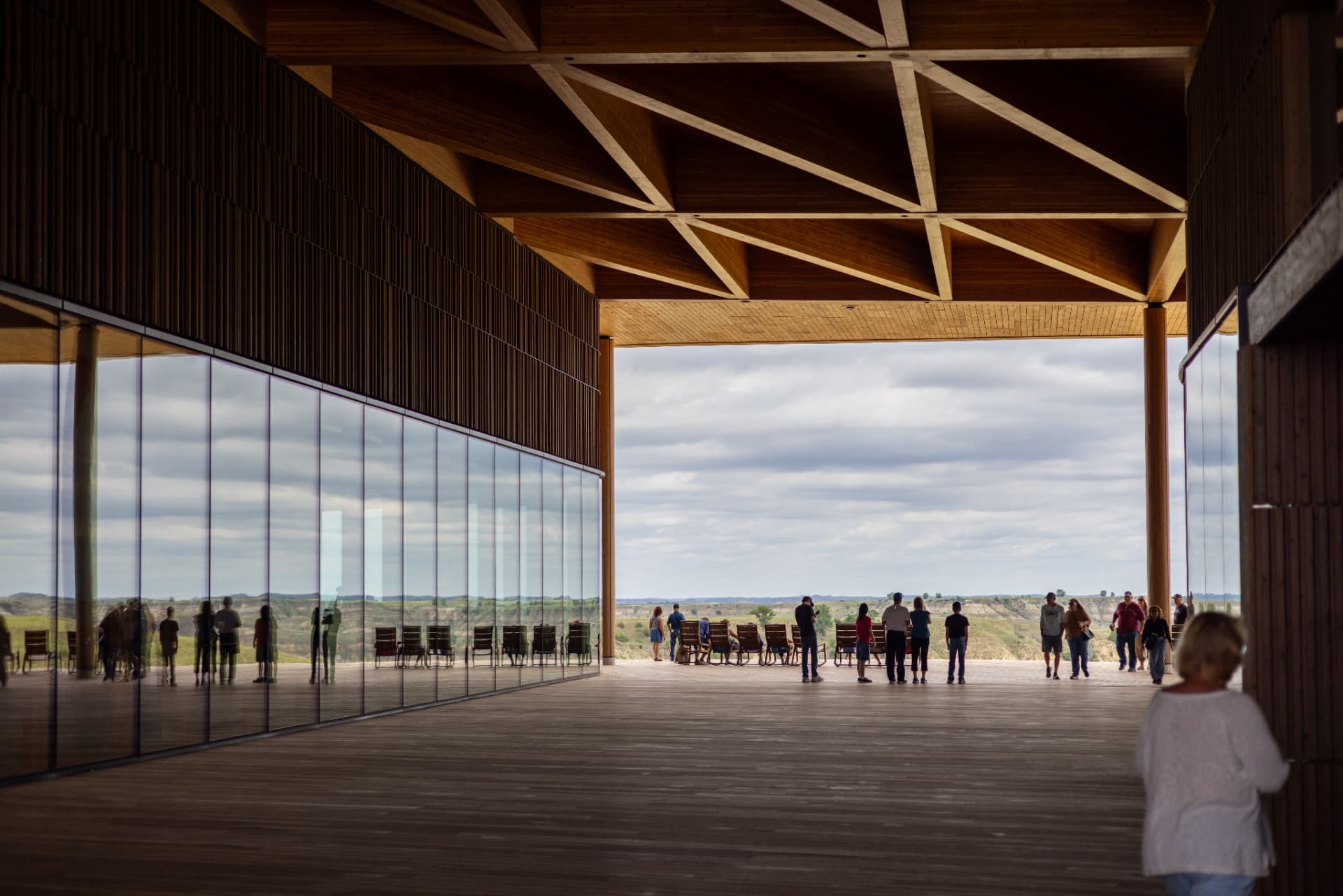
No fixed timeline, every project sets its own pace. See what the cycle has already returned for other operations, or come walk the badlands with us.

Free 45-minute conversation. No pitch deck.